A home inspection from the contractor who builds what he inspects.
Full-home, 4-point, and wind-mitigation inspections across Central Florida — documented with photos,
written in plain English, and formatted the way Florida insurers actually accept.
CBC059592 · Building
CCC1327217 · Roofing
Buying, insuring, or renewing? There’s a specific report for your moment.
Full Home Inspection
Roof, structure, electrical, plumbing, HVAC and moisture —
a complete visual assessment with a contractor’s read on what each finding really costs to correct.
4-Point Inspection
Roof, electrical, plumbing, HVAC — the report Florida carriers
require to write or renew a policy on an older home. On the exact form your carrier accepts.
Wind Mitigation (OIR-B1-1802)
Documents your home’s wind-resistant features on the
state form. When features qualify, it’s what lets your insurer apply a windstorm credit.
Roof Certification & Condition
An honest roof age and condition opinion from a
licensed roofing contractor — the assessment lenders and insurers trust.
Two ways to learn what a house is really hiding.
A generalist notes what
looks off and hands you a checklist — you’re left to guess the severity, the cost, and who to call. The
real bills show up after closing.
A licensed building and roofing
contractor tells you what’s wrong, why it matters, and what correcting it truly takes — with the photos to
prove it, before you sign.
What your Florida home inspection actually covers.
A full Florida home inspection is a top-to-bottom visual review of the systems that decide
whether a home is safe, insurable, and worth the price on your contract. Here’s what gets checked, and why
each one matters in Florida.
Roof, attic & structure
Roof age and condition, decking, flashing,
ventilation, framing, and signs of settlement or prior repair. In Florida the roof drives
both your insurance and your biggest repair risk — so it’s read by a licensed roofing contractor’s eye.
Electrical & plumbing
Panel, breakers, grounding, and GFCI protection on the
electrical side; supply lines, drains, the water heater, and pipe materials on the plumbing side — including
the equipment Florida carriers flag on a 4-point.
HVAC & moisture
Age, condition, and operation of the cooling and heating
system, plus windows, doors, and the hidden water intrusion that feeds Florida’s most expensive repair
bills.
Insurance-ready reporting
When you need a 4-point or a
wind mitigation report, your Florida home inspection is delivered on the exact state form
your carrier accepts — no back-and-forth holding up your policy.
How your Florida home inspection goes, start to finish.
No mystery, no pressure — here’s the path from the first call to the report in your inbox.
Before & during the inspection
- Schedule — tell us the property and what you need: full home, 4-point, wind
mitigation, or a roof certification. - On site — a licensed contractor-inspector walks the home, tests accessible systems,
and photographs every finding. - Walk with us — join the inspection, ask questions, and see the issues for yourself.
What’s in your report
A clear, plain-English report you can hand a lender, an insurer, or a seller. Inside you’ll find:
- Photos of every material finding, captioned in plain language.
- Severity — what’s sound, what needs attention, and what’s urgent.
- A contractor’s read on what correcting each item actually involves.
Why the right report protects your policy — and your budget.
In Florida, an undocumented home or an aging roof can mean non-renewal, or a premium you didn’t
budget for. A 4-point and a wind mitigation inspection are how you get ahead of it. Insurers price older homes
on documented condition and wind-resistant features — when yours qualify, the OIR-B1-1802 form is what lets the
credit apply. When something needs work, you hear it first, from someone who can tell you what the fix truly
involves. Any premium change depends on your insurer and your home’s actual features — this is honest
documentation, not a guaranteed discount. Explore the full
Central Florida service area, review the
Florida licenses behind every report, or
schedule your Florida home inspection today.
Matching the right Florida home inspection to your moment.
Not every situation needs the same report. Here’s how buyers, owners, and sellers across Central
Florida typically use each one — and when to combine them.
Buying a home
A full-home Florida home inspection is the standard move before
closing: a complete visual review of roof, structure, electrical, plumbing, HVAC, and moisture, so you
negotiate and sign knowing the real condition — not the listing photos. Pair it with a wind mitigation
report to line up your insurance at the same time.
Insuring or renewing
Many Florida carriers require a 4-point to
write or renew a policy on an older home, and a wind mitigation report to apply any
windstorm credit your home qualifies for. Both are delivered on the exact state forms your carrier accepts.
Deciding on a roof
When the question is simply “how many years does this roof
have left?”, a roof certification from a licensed roofing contractor gives you an honest condition and age
opinion that lenders and insurers trust.
Selling a home
A pre-listing inspection lets you fix or disclose issues on your
terms, before a buyer’s inspector finds them — fewer surprises, smoother closings, and a documented baseline
for the price you’re asking.
Whatever your situation, the report is written by a
licensed contractor-inspector and backed by photos you can hand to a lender, an insurer, or a seller. Common
items a Florida home inspection surfaces on older homes include:
- Aging or damaged roofs nearing the end of their insurable life.
- Older electrical panels and missing GFCI protection carriers flag on a 4-point.
- Dated plumbing — like polybutylene supply lines — that affects insurability.
- Moisture and water intrusion around windows, doors, and under sinks.
Why a contractor-inspector reads a house differently.
A typical home inspector is trained to spot what looks off and note it. That’s useful — but it
stops at the checkbox. When your Florida home inspection is performed by someone who has actually built and
re-roofed these homes, a flagged defect comes with something a checklist can’t give you: an honest read on how
serious it really is, and what correcting it truly involves. Timothy Parks holds three Florida licenses most
inspectors will never hold — HI4878 as a home inspector, CBC059592 as a certified building contractor, and
CCC1327217 as a certified roofing contractor. When he tells you a roof has a few years left, or that a crack is
cosmetic rather than structural, it’s the assessment of the person who could also perform the repair. That’s a
very different report to hand your family, your lender, or your insurer — and it’s the standard behind every
Florida home inspection here. No fabricated reviews, no scare tactics, no “#1” claims — just real licenses,
real photos, and plain English you can act on. Serving buyers, owners, and sellers throughout
Central Florida.
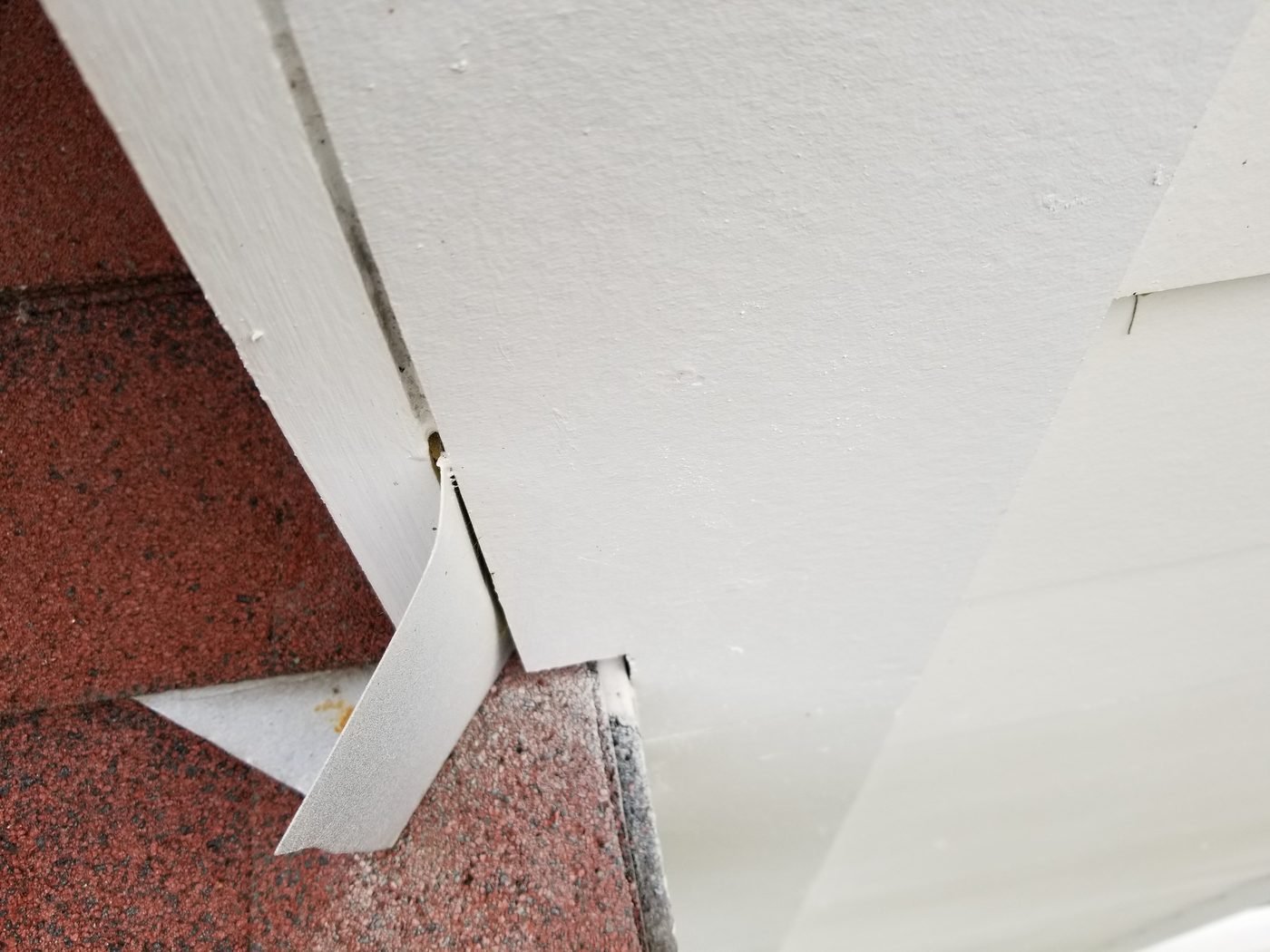
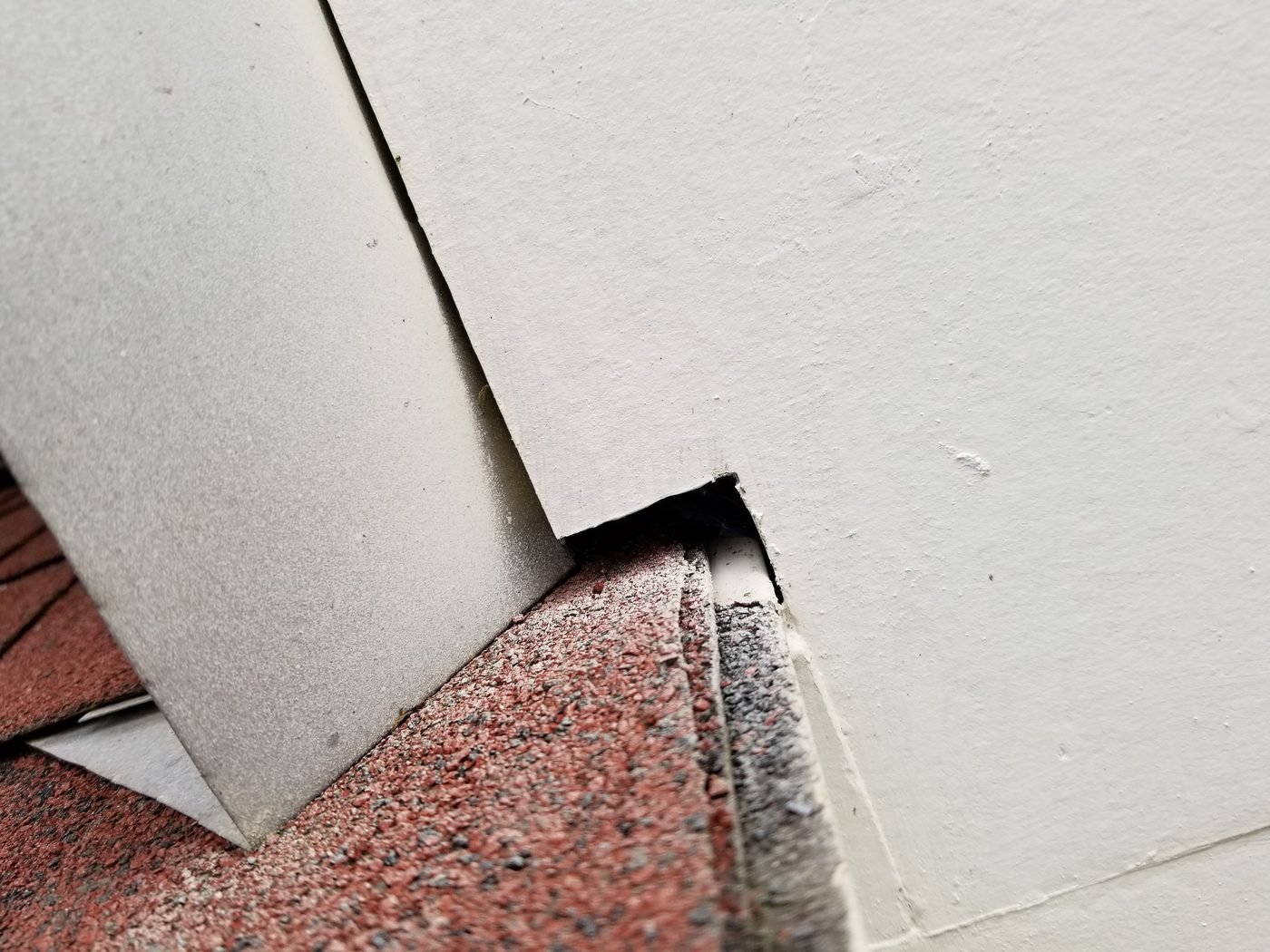
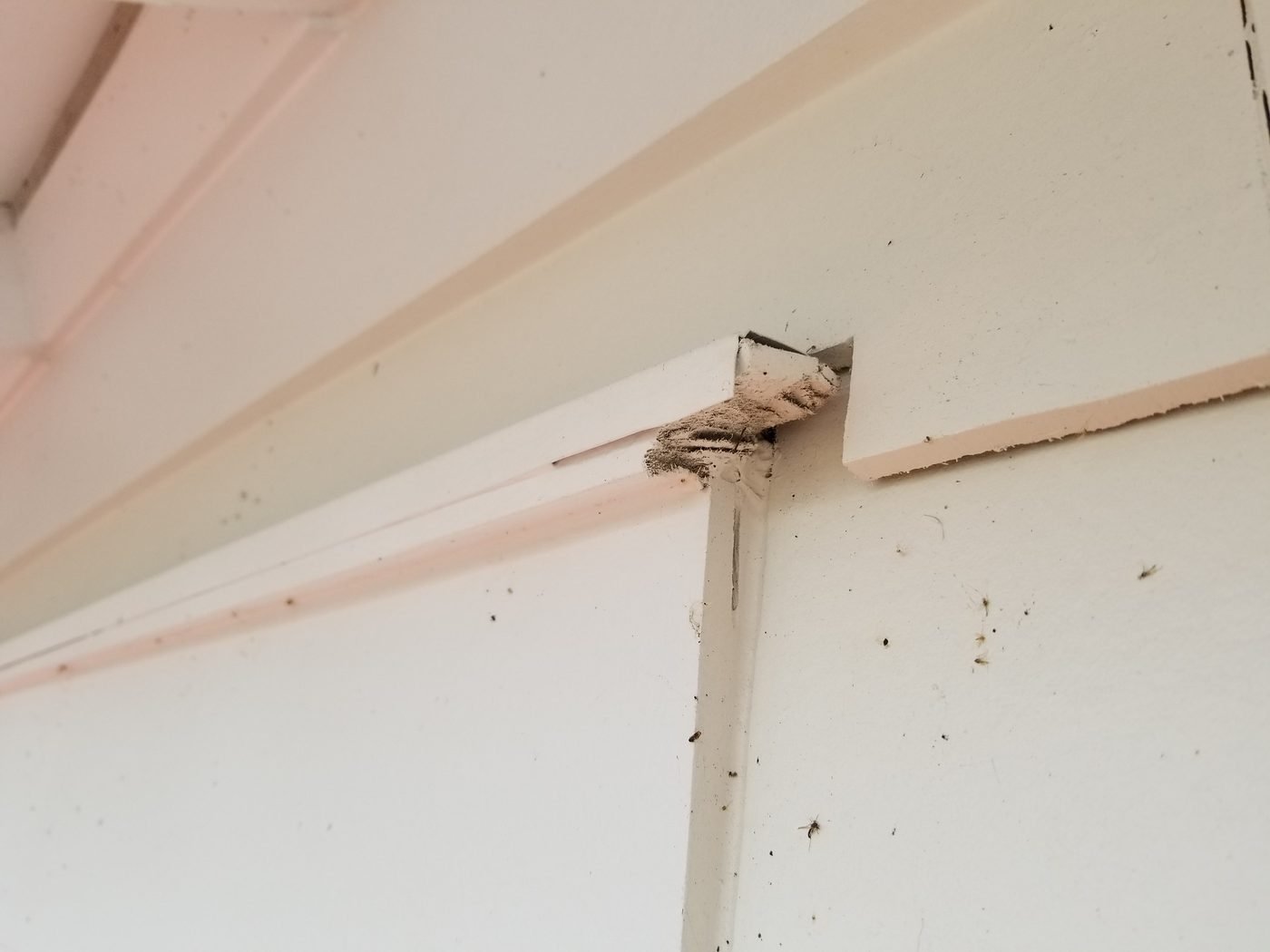
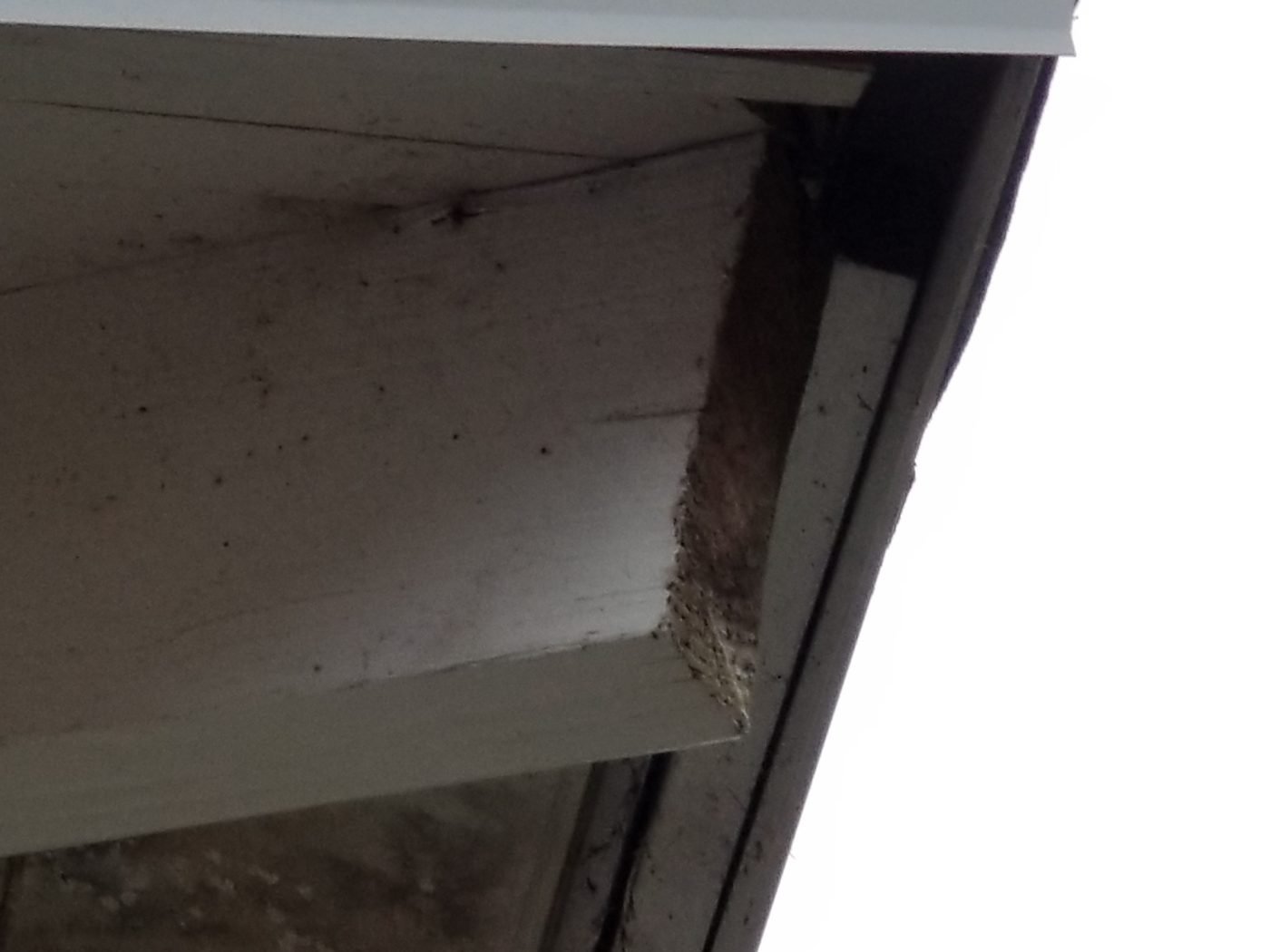
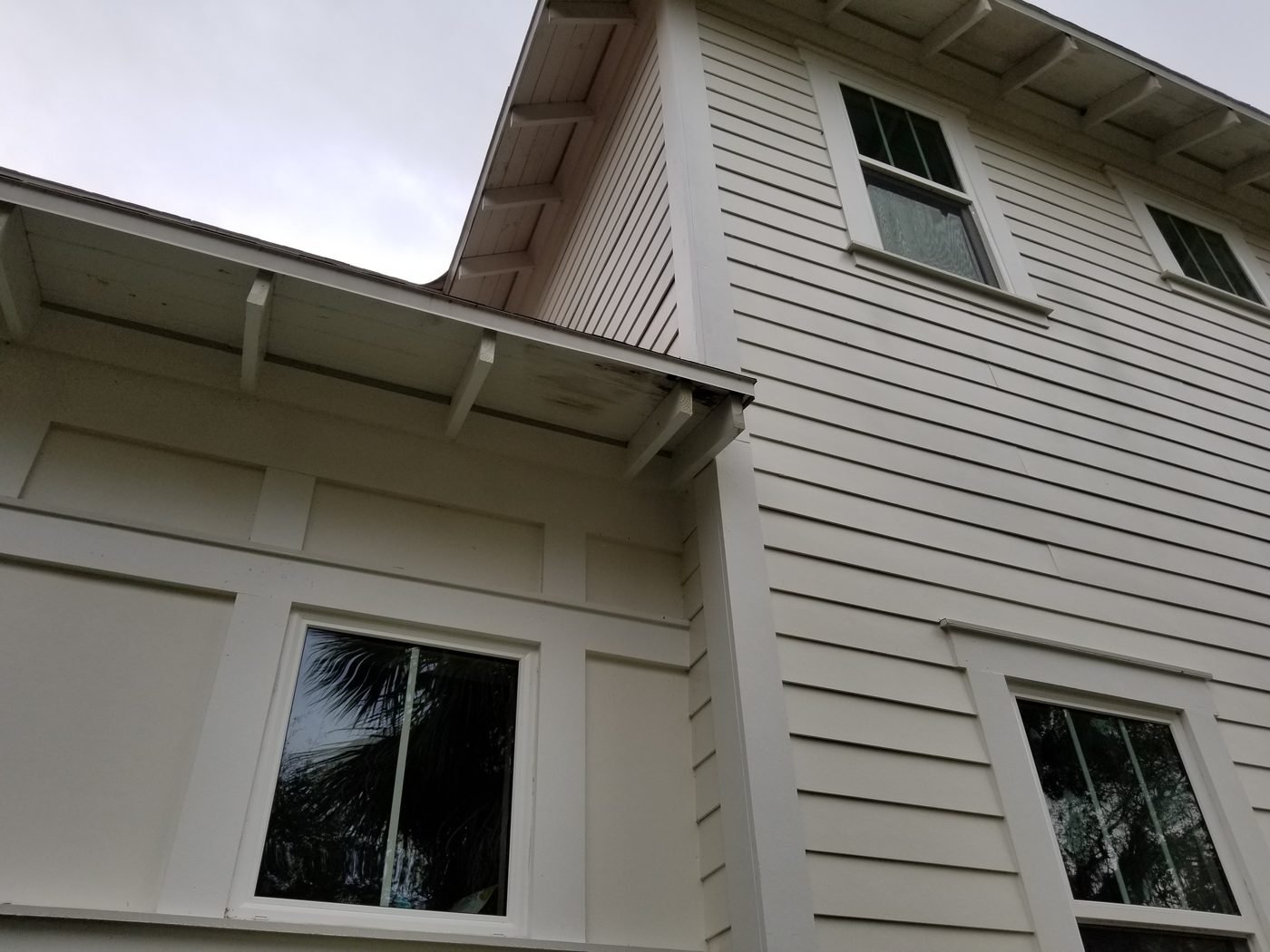
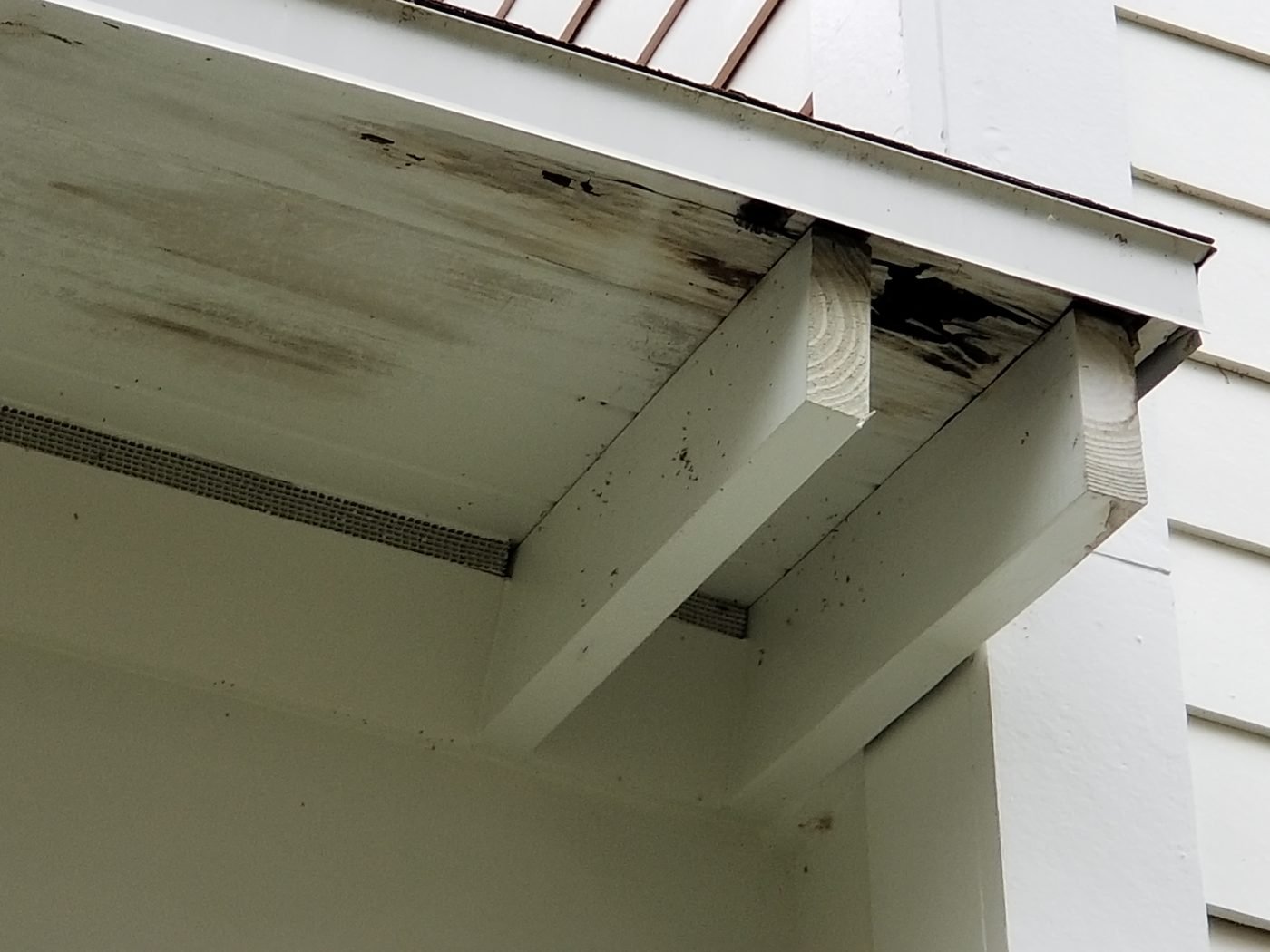
What the detail in your report actually looks like.
Real photos from Florida home inspections — the level of documentation that goes in your report,
captured by a licensed building and roofing contractor.
Straight answers.
Do I need a 4-point to get insurance in Florida?
Many Florida carriers
require a 4-point to write or renew a policy on a home over a certain age. It reports the condition of the
roof, electrical, plumbing, and HVAC.
Will a wind mitigation inspection lower my premium?
It can, when your home has
qualifying wind-resistant features. The inspection documents them on the OIR-B1-1802; your insurer applies
any credit. It documents what exists — it isn’t a guarantee.
How fast do I get the report?
On the exact form your Florida carrier accepts —
so there’s no back-and-forth holding up your policy. Ask about turnaround when you schedule.
What areas do you serve?
Central Florida. Tell us the property address when you
reach out and we’ll confirm availability.
How long does a Florida home inspection take?
Most full-home inspections take a
few hours, depending on the size, age, and condition of the property. A stand-alone 4-point or wind
mitigation is quicker. You’re welcome to walk the home with the inspector and see the findings in person.
Why does the contractor licensing matter for an inspection?
A defect flagged by
someone who has actually built and repaired that system comes with a real understanding of severity and cost
— not just a checkbox. Timothy Parks holds HI4878 as a home inspector, plus CBC059592 and CCC1327217 as a
building and roofing contractor.
Book your Florida home inspection.
Full home, 4-point, wind mitigation, or roof certification — tell us the property and you’ll hear back
to lock a time — tell us a couple that work.