Florida Roof Certification, Explained
The roof is the single biggest factor in most Florida home-insurance decisions. A roof certification is the report that documents its age and condition, and here’s what a roof certification actually involves, who asks for one, and why the roofer behind it matters.
📘 Part of The Florida Home Inspection Guide
What a roof certification is
A roof certification is a focused, professional opinion on the roof alone. It documents the roof’s estimated age, covering material, visible condition, and remaining serviceable life. It is not a full home inspection and not a warranty; it is a condition report on the one system that drives most Florida insurance decisions.
- Age — estimated from records and material clues.
- Covering — shingle, tile, metal, or flat membrane.
- Condition — wear, damage, flashing, and penetrations.
- Remaining life — a professional estimate, not a promise.
Insurers often ask for a roof certification before writing or renewing, because roof condition carries so much of the risk.
Why insurers ask for a roof certification
In Florida, the roof takes the storms, and a failed roof drives the largest and most frequent claims. Carriers, including Citizens, frequently want a roof certification when a roof reaches a certain age, or when a 4-point flags it.
The report tells the insurer whether the roof has serviceable life left or is near the end. That answer can decide whether a policy is written, renewed, or declined. A roof certification documents condition; it does not set your premium, and it cannot force a carrier’s hand. It simply puts the roof’s real state on the record.
Why the roofer behind it matters
An age-and-condition opinion is only as good as the person giving it. This one comes from a state-certified roofing contractor, CCC1327217, who has built and replaced roofs across Florida, not a generalist estimating from the ground.
What an experienced roofer sees
- Early flashing failures before they leak.
- Hail and wind bruising a ground-level guess would miss.
- Improper prior repairs that shorten a roof’s life.
Why that protects you
A credible roof certification your carrier can rely on is the difference between a guess and a professional opinion. You can verify the license at the Florida DBPR from the credentials page.
What a roof certification can and can’t tell you
A roof certification reports condition on the day of inspection. It is a snapshot, honestly framed.
- It can flag a roof near the end of its life or with visible damage.
- It can give a professional estimate of remaining serviceable life.
- It can’t guarantee how long a roof will actually last.
- It can’t promise your carrier will accept it or lower your rate.
As with every inspection, it documents reality; it does not promise an outcome. That is exactly what makes it credible.
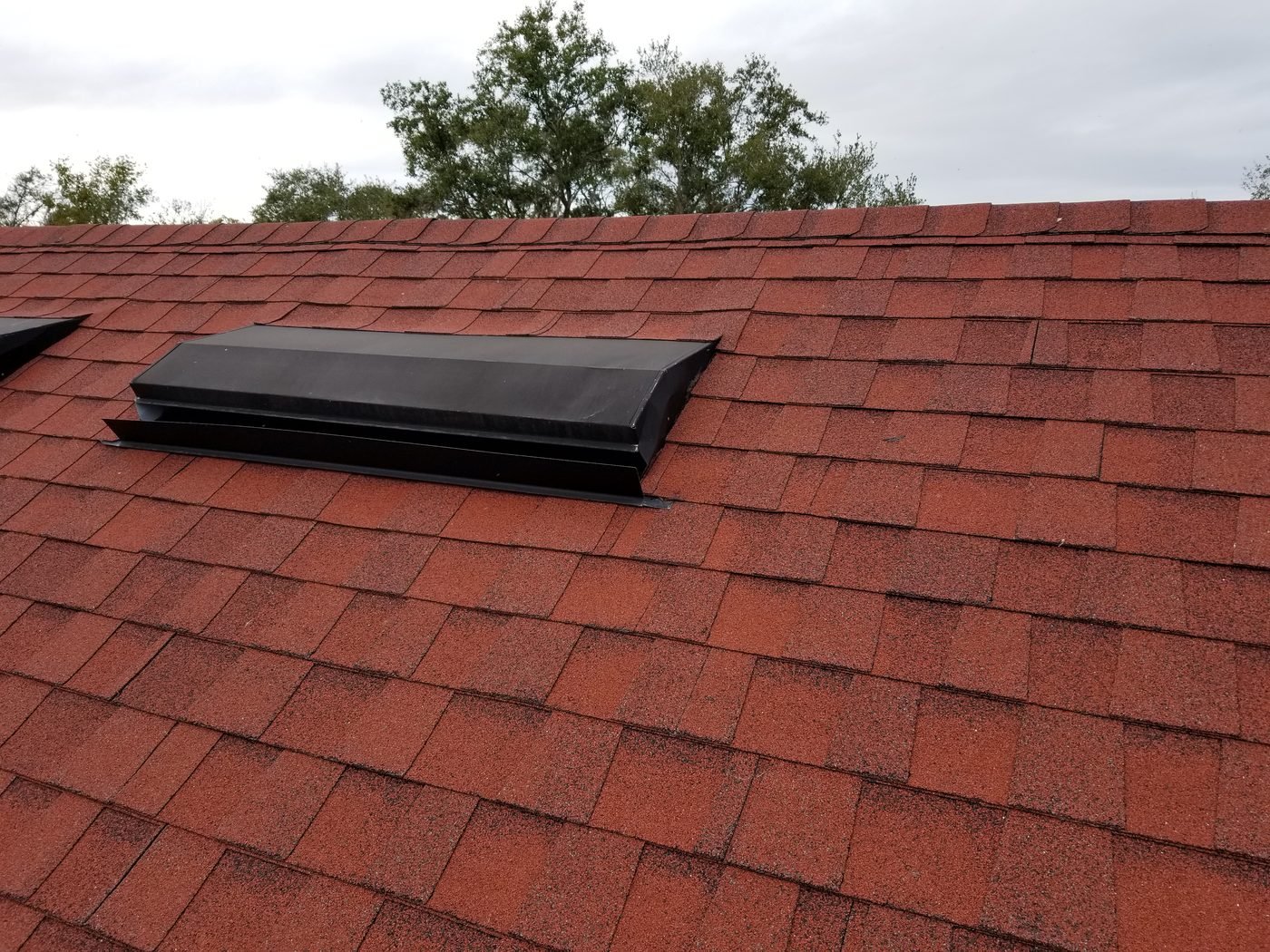
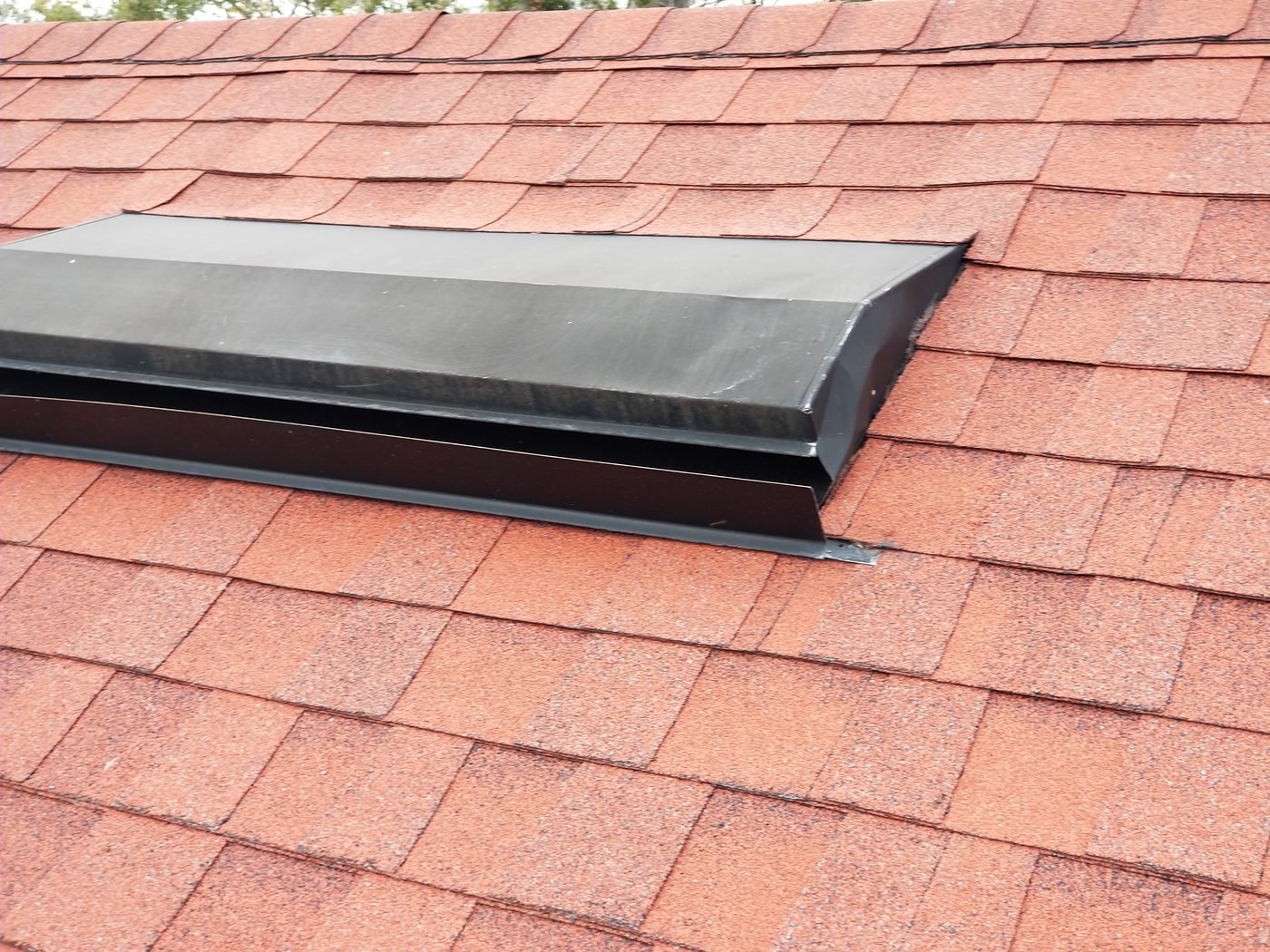
What a roof certification documents — in photos
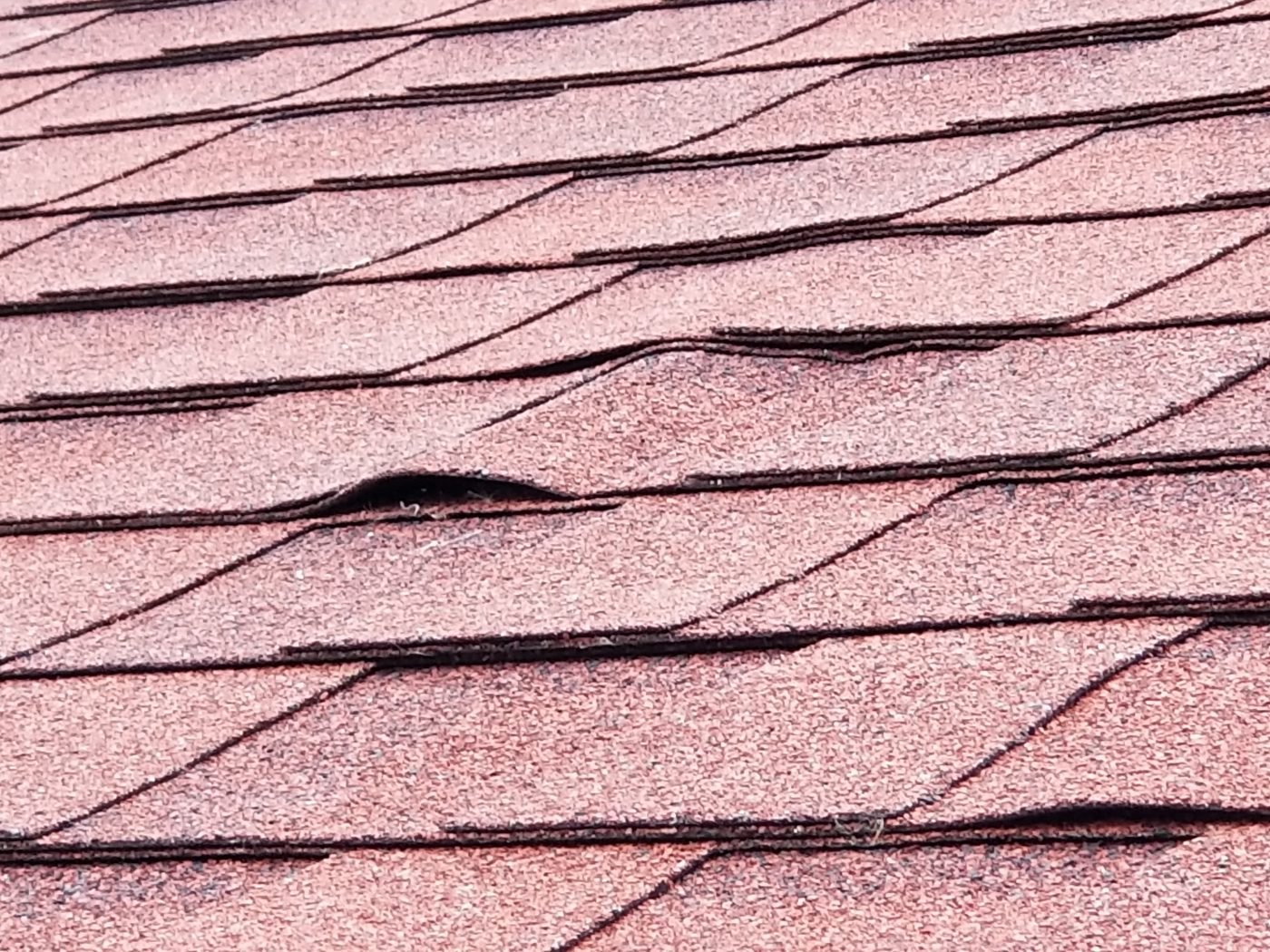
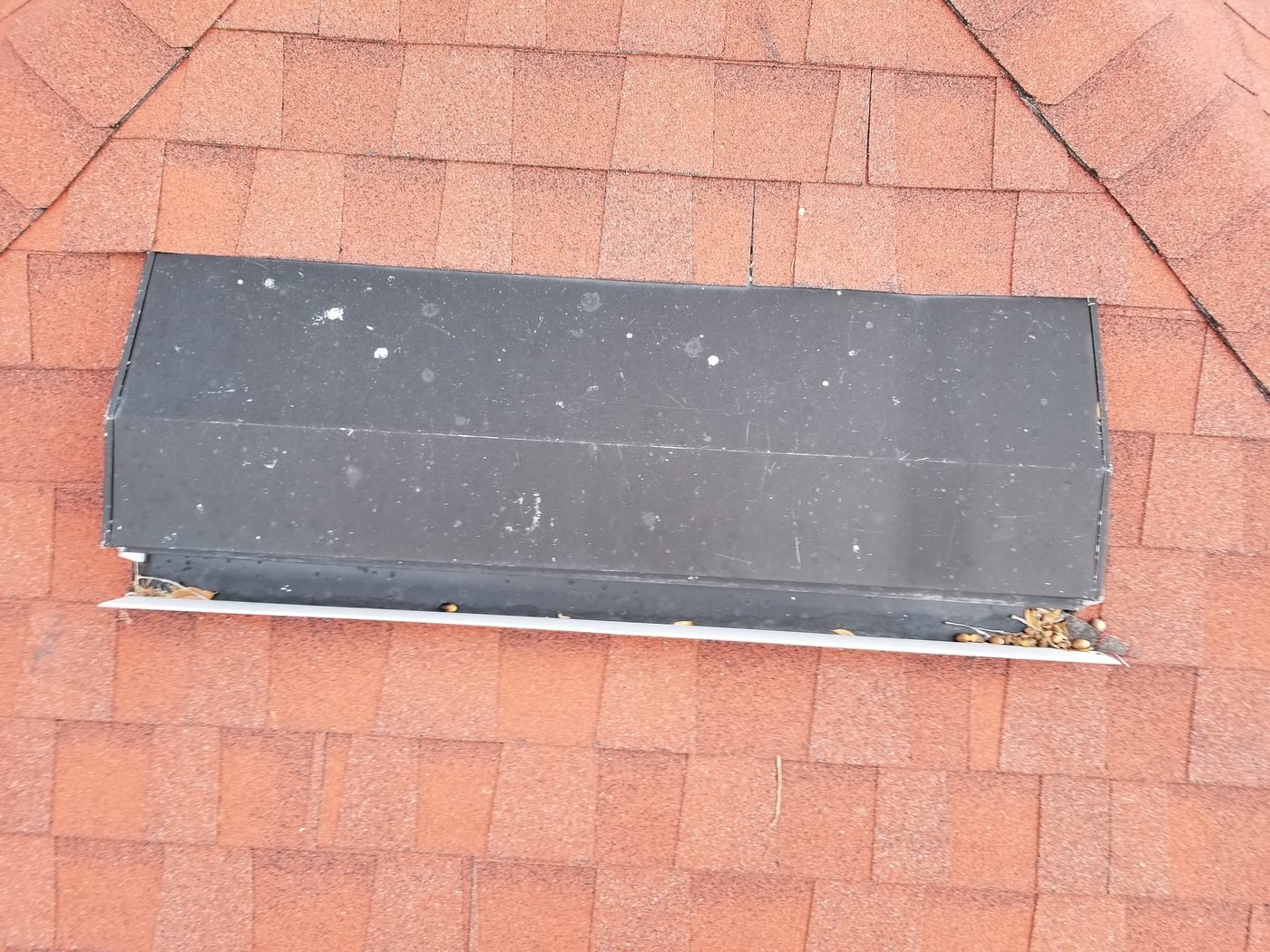
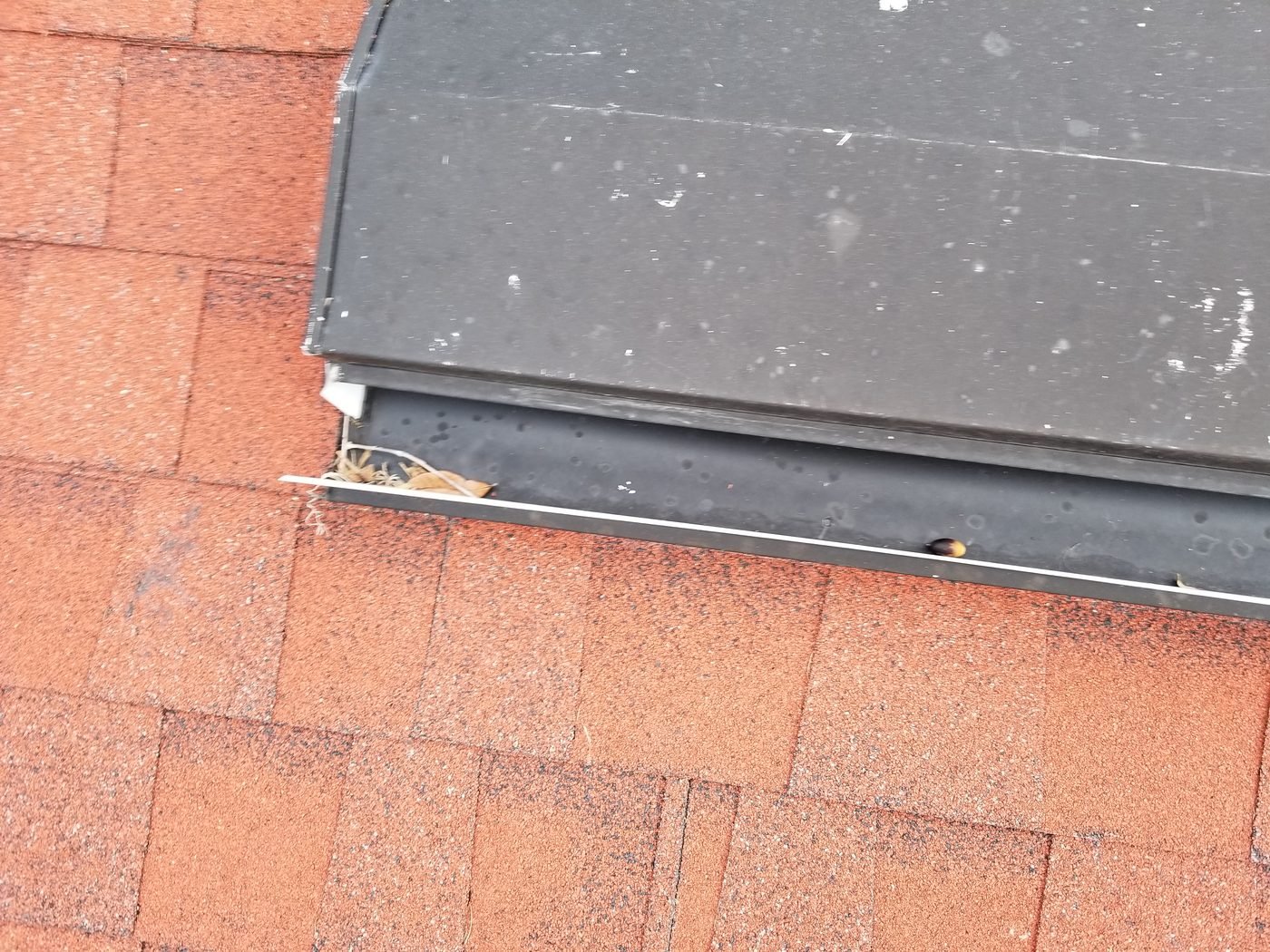
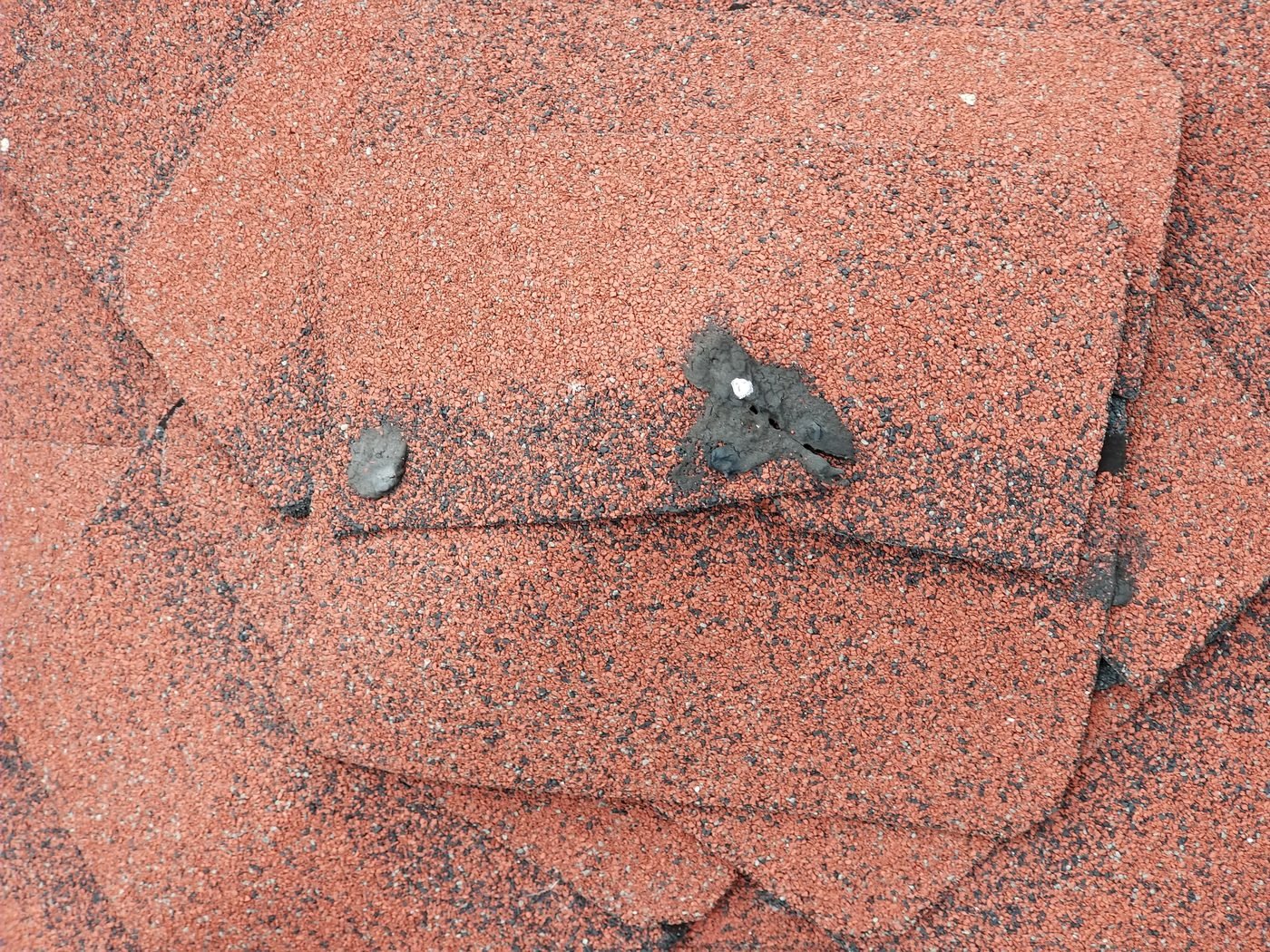
A roof certification is a condition report, and condition is best shown, not only described. These are real photos from Florida roof inspections — the kind of detail a licensed roofing contractor (CCC1327217) documents when reading a roof.
How a roof certification pairs with other reports
A roof certification rarely travels alone on an older home. It sits alongside the insurance-focused reports.
- A 4-point inspection, where the roof is one of the four systems.
- A wind mitigation, which documents wind-resistant roof features.
- A full home inspection when you are buying.
See how they connect in the full Florida home inspection guide, and reach out through contact to schedule.
When to get a roof certification
Timing matters. Consider a roof certification when:
- You are placing or renewing a policy and the roof’s age is in question.
- A 4-point inspection flagged the roof.
- You are buying and want the roof’s remaining life documented before closing.
- You just re-roofed and want the new roof’s condition on record.
Getting an honest read from a roofing contractor before your carrier asks puts you a step ahead, rather than scrambling after a non-renewal notice arrives.
How roof age and material affect the certification
Two facts drive most of a roof certification: how old the roof is and what it is made of. Different materials age on different clocks, and carriers know it.
By material
- Asphalt shingle — the most common covering, with the shortest typical life.
- Tile — long-lived, though the underlayment beneath it ages faster than the tile.
- Metal — durable, valued for storm resistance.
Why age is estimated, not guessed
When permit records are thin, a roofing contractor estimates age from wear patterns, granule loss, and installation clues. A roof certification built on that trained read is far more defensible than a number pulled from the air, and it is what a carrier expects to see.
What insurers do with a roof certification
Once you hand a roof certification to your carrier, it becomes one input in their decision. Understanding what happens next keeps expectations realistic.
- They weigh the estimated remaining life against their underwriting rules.
- A roof with several years left generally supports writing or renewing a policy.
- A roof near the end may trigger a request to replace it as a condition of coverage.
Carriers, including Citizens, differ on exactly where they draw the line. A roof certification does not force any single outcome; it gives the insurer documented facts and lets them apply their own rules. Knowing that in advance helps you plan rather than react.
How to prepare for a roof certification
A roof certification is mostly on the inspector, but a few things on your end make it faster and more accurate.
- Gather any roofing permits, invoices, or warranty paperwork.
- Note any known leaks or recent repairs so they can be verified.
- Clear attic access, since the underside of the deck tells part of the story.
If a 4-point flagged the roof, bring that report too. A roof certification that lines up with your 4-point inspection gives your carrier a consistent picture, and the home inspection page shows how the reports package together.
Signs your roof may need certification sooner
Sometimes a carrier asks for a roof certification out of the blue, but often the roof itself is telling you it is time. A few signs suggest scheduling one before a renewal notice forces the issue.
- The roof is approaching the age where your carrier starts asking questions.
- You see curling, missing, or granule-bald shingles from the ground.
- There are interior stains that hint at past or present leaks.
- A recent storm may have caused wind or debris damage.
Catching these early gives you options. A roof certification ordered on your own schedule lets you plan a repair or replacement calmly, rather than scrambling after a non-renewal notice arrives with a deadline attached. The roof is the most expensive surprise in a Florida home, and a little foresight takes most of the sting out of it.
Repair, replace, or certify: reading the roof’s future
A roof certification often leads to a decision, and it helps to understand the three paths before you are standing in one. Which path fits depends on the roof’s condition and how your carrier reads it.
If the roof has clear life left, a roof certification alone may satisfy the carrier, and you simply keep maintaining it. If there is localized damage, a targeted repair followed by an updated certification can restore confidence without a full replacement. If the roof is genuinely at the end, replacement is the honest answer, and the upside is that a new roof usually documents well on a wind mitigation form. A roofing contractor can lay out which path your roof is actually on, so the choice is grounded in the roof’s real condition rather than a worst-case guess or wishful thinking.
Roof Certification FAQ: Common Questions
How long is a roof certification valid?
Carriers set the window, and it is often up to a year, sometimes less. Ask your agent what your insurer accepts before you book.
Is a roof certification the same as a 4-point?
No. A 4-point inspection covers four systems; a roof certification is a deeper look at the roof alone. On an older home you may need both.
What if the roof fails the certification?
A roof certification does not pass or fail; it documents condition and remaining life. If the news is bad, a licensed roofing contractor can scope a repair or replacement for you.
Can you certify a roof you didn’t install?
Yes. The report is an independent, professional opinion of condition, whoever installed the roof.
Need a roof certification? Get one from a licensed roofing contractor.
Get a roofer’s honest read on the roof before your carrier asks — call to schedule.